


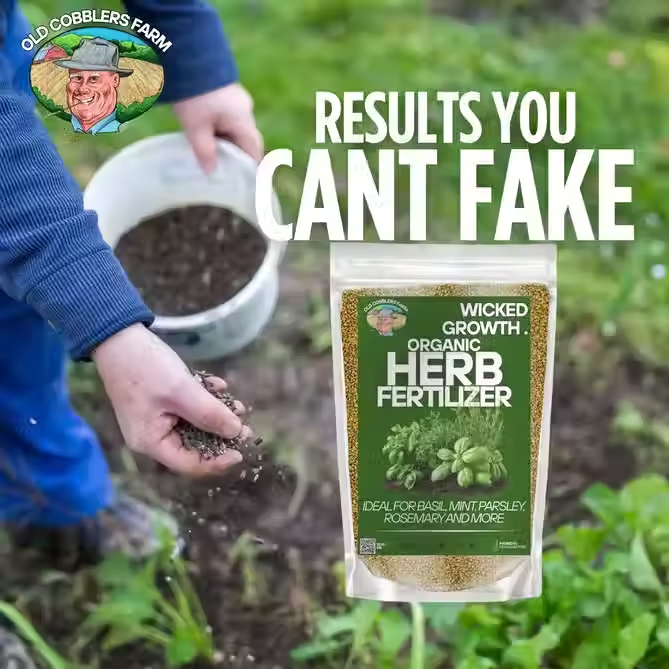







Old Cobblers Farm™ Wicked Organic Herb Fertilizer
$44.00
Natural, Slow-Release Formula for Culinary & Medicinal Herbs
Bring out the best in your herb garden with Wicked Organics Herb Fertilizer 8-3-5, a carefully balanced, slow-release blend created especially for culinary and medicinal herbs. If you’ve ever typed “organic herb fertilizer for basil and mint,” “slow release fertilizer to improve essential oil content,” or “best fertilizer for flavorful herbs without burning,” this formula was made for you.
Nutrient Profile & How It Works
Total Nitrogen (8.0%)
• ~ 7.20% water-insoluble nitrogen (from feather meal + meat & bone meal) for slow, steady feeding
• ~ 0.60% other water-soluble nitrogen + ~ 0.20% ammoniacal nitrogen to help early green-up
Available Phosphate (P₂O₅): 3.0% — supports root growth, flowering, and overall herb vigor
Soluble Potash (K₂O): 5.0% — boosts stress tolerance, strengthens plant structure, and improves leaf quality
Secondary Nutrients: Calcium (3.0%), Magnesium (2.2% soluble), Sulfur (4.0%) — enhance essential oil formation, flavor, aroma, and general herb health
Why Herbs Love This Fertilizer
Herbs thrive on slow, steady nutrient input rather than heavy fast-acting doses. This helps maintain flavor, aroma, and essential oil content without diluting them, which is a common concern among herb gardeners.
The high proportion of water-insoluble nitrogen means fewer re-applications, less risk of overfeeding, less chance of burning delicate leaves.
Added calcium, magnesium, and sulfur support the pathways for oil synthesis, robust leaf color, and increase in aroma—important for herbs like basil, lavender, thyme, oregano.
Improves soil biology: organic protein meals feed beneficial microbes. Healthy soil biota improves nutrient cycling, organic matter, and long-term garden fertility.
Key Benefits You’ll Notice
Richer flavor and aroma in culinary herbs (basil that tastes like basil, mint with a strong scent, thyme with robust oils)
Stronger foliage with fewer signs of stress (yellowing, heat, drought)
More resilient herbs that bounce back after harvesting or trimming, thanks to improved root structure
Less frequent fertilizer application — save time and avoid the risk of fertilizer burn
Usage & Application Guidelines
Garden Beds & Rows — Apply 5–7 lbs per 100 sq ft, mixing into the topsoil before planting or at the start of the growing season.
Established Herbs — Side-dress with ¼–½ cup per plant every 4–6 weeks, especially after trimming or harvesting, to encourage healthy regrowth.
Container Herbs — Mix 1–2 tablespoons per gallon of soil into potting mix; gentle enough for potted herbs like basil, parsley, cilantro, and thyme.
General Tips — Always water thoroughly after application to activate soil microbes and nutrient release; avoid over-application, since excess nitrogen can dilute flavor intensity in culinary herbs.
Best Herbs & Situations for Use
Basil, mint, parsley, cilantro, thyme, oregano, lavender, and other culinary herbs where flavor and aroma matter
Medicinal herbs where essential oils or active compounds are harvested (e.g. rosemary, sage)
Indoor herb containers, cold frames, terrace planters where nutrient leaching can occur
Herb gardens in sandy or low organic matter soil — the slow release helps reduce nutrient loss
After harvesting or trimming, to support regrowth
Quantity