%20(1).png)
🎉 SPRING SALE: Save up to 30% on All Seed & Fertilizer | Free Shipping Over $75
Product Overview
Description
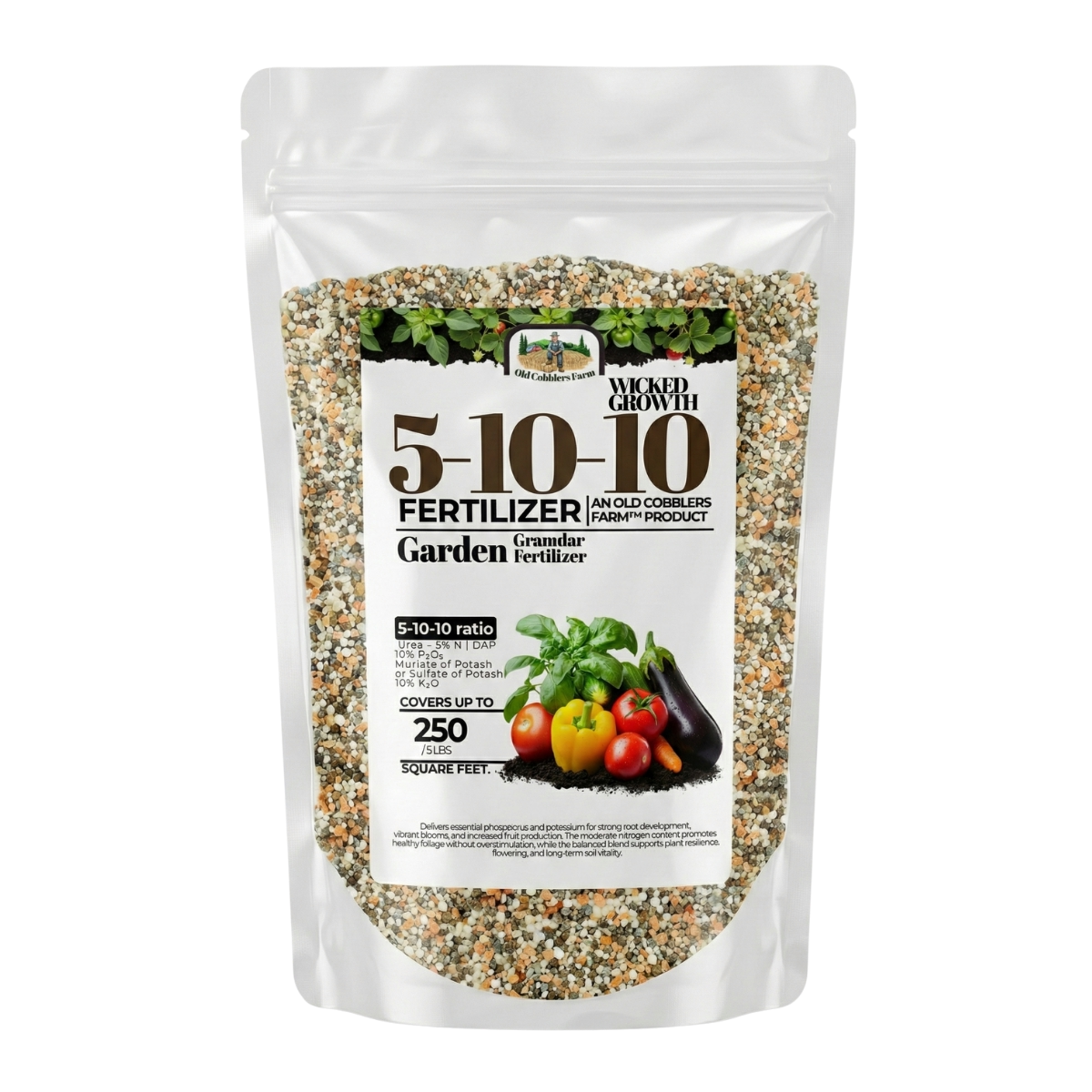
Wicked Growth 5-10-10 Multi-Use Fertilizer is a low-nitrogen, high-phosphorus and potassium blend designed for gardeners who need to boost root development, flowering, and fruit quality without promoting excessive leafy growth. This balanced formula is ideal for root vegetables, bulb crops, legumes, and fall garden preparations.
The 5-10-10 ratio provides just enough nitrogen to maintain healthy foliage while emphasizing the phosphorus and potassium that drive root expansion, flower formation, and fruit development. Particularly valuable for carrots, beets, onions, garlic, potatoes, and other root crops that store energy underground.
Perfect for gardeners who want to avoid the lush, tender growth that high-nitrogen fertilizers produce – growth that attracts pests, delays flowering, and reduces storage quality in root crops.
Highlights
• Low nitrogen prevents excessive leaf growth
• High P-K ratio for roots & flowers
• Perfect for root vegetables & bulbs
• Ideal fall garden fertilizer
• Balanced feeding without overstimulation
The Science Behind It
How It Works
This starter-type fertilizer provides moderate nitrogen with elevated phosphorus and potassium, creating ideal conditions for root establishment and early growth. The 5% nitrogen supports leaf development without excessive vegetative push, while the higher P-K ratio (10-10) prioritizes root strength and plant structure. Applied at planting or early season, nutrients dissolve with watering and become available through the root zone, supporting balanced development from the ground up.
The Science
The 1-2-2 nutrient ratio (5-10-10) reflects plant needs during establishment phases when root development takes priority over leaf production. Lower nitrogen prevents tender, disease-susceptible growth while phosphorus drives root cell division and elongation. Potassium strengthens developing cell walls and regulates early stomatal function. This ratio mimics the nutrient demands of transplants and young plants that need to establish strong foundations before vigorous top growth.
Nutrients Available
5% Total Nitrogen – Supports steady leaf growth without excessive vegetative push. 10% Available Phosphate (P₂O₅) – Drives root development and early establishment. 10% Soluble Potash (K₂O) – Strengthens cell structure and improves stress tolerance during vulnerable growth stages.
How to Apply
1-2 lbs/100 sq ft every 4-6 weeks. Severe deficiency: 2-3 lbs initially.
1
Action:
Survey garden bed and note deficiency symptoms. Map high-need zones.
Pro Tip:
Sandy areas and fruiting sections need more K than shaded areas.
Avoid:
Don't leave granules on surface in hot weather - damages plants.
2
Action:
Calculate 1-2 lbs per 100 sq ft. For 10x20 garden (200 sq ft), use 2-4 lbs.
Pro Tip:
Weigh fertilizer on kitchen scale. One cup 0-0-60 weighs ~0.5 lb.
Avoid:
Don't exceed 2 lbs per 100 sq ft per application. Split heavy doses.
3
Action
Broadcast granules evenly across soil surface. Work into top 2-3 inches with cultivator.
Pro Tip:
Sandy areas and fruiting sections need more K than shaded areas.
Avoid:
Don't spread on windy days - granules drift causing uneven application.
4
Action
Water thoroughly with 1-2 inches to dissolve granules and move K into root zone.
Pro Tip:
Incorporation prevents salt buildup and gets K to roots faster.
Avoid:
Don't leave granules on surface in hot weather - damages plants.